I have noticed that my water appears to run hotter in the morning when I get up vs later on in the day. In truth this is probably due to relative temperature where in the morning I am colder and so things appear warmed but I still wanted to find out how much my water temperature changed throughout the day if at all.
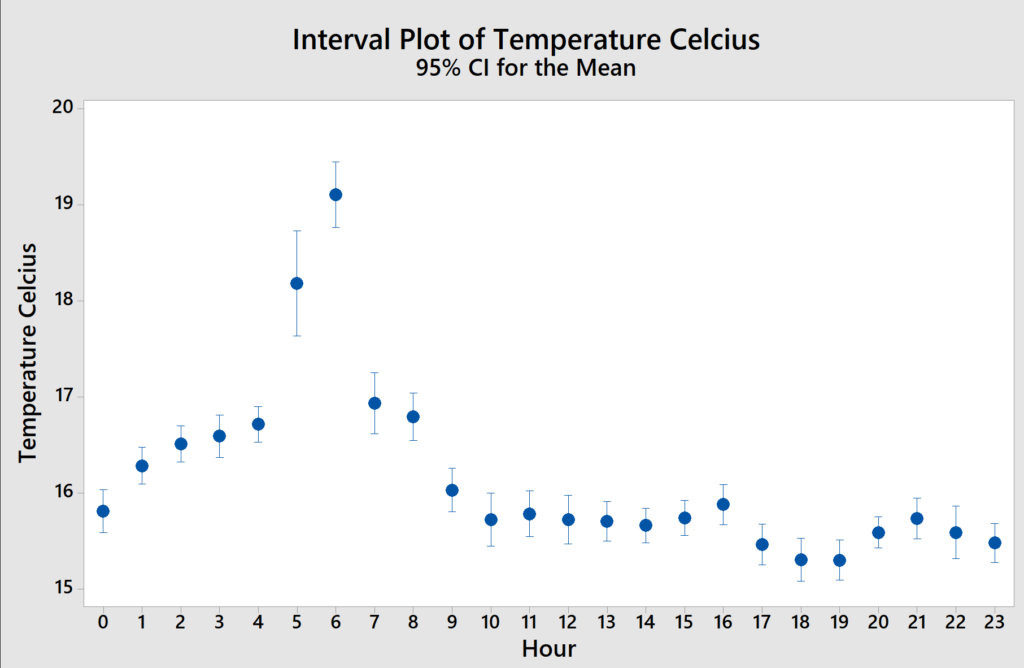
Looking at the temperature profile throughout the day I saw some interesting spikes that occurred like clockwork at 5am. Breaking this into minitab and looking at the temperature intervals vs hour we find that there is indeed a statistically significant difference in the morning at 5-6am vs later on.
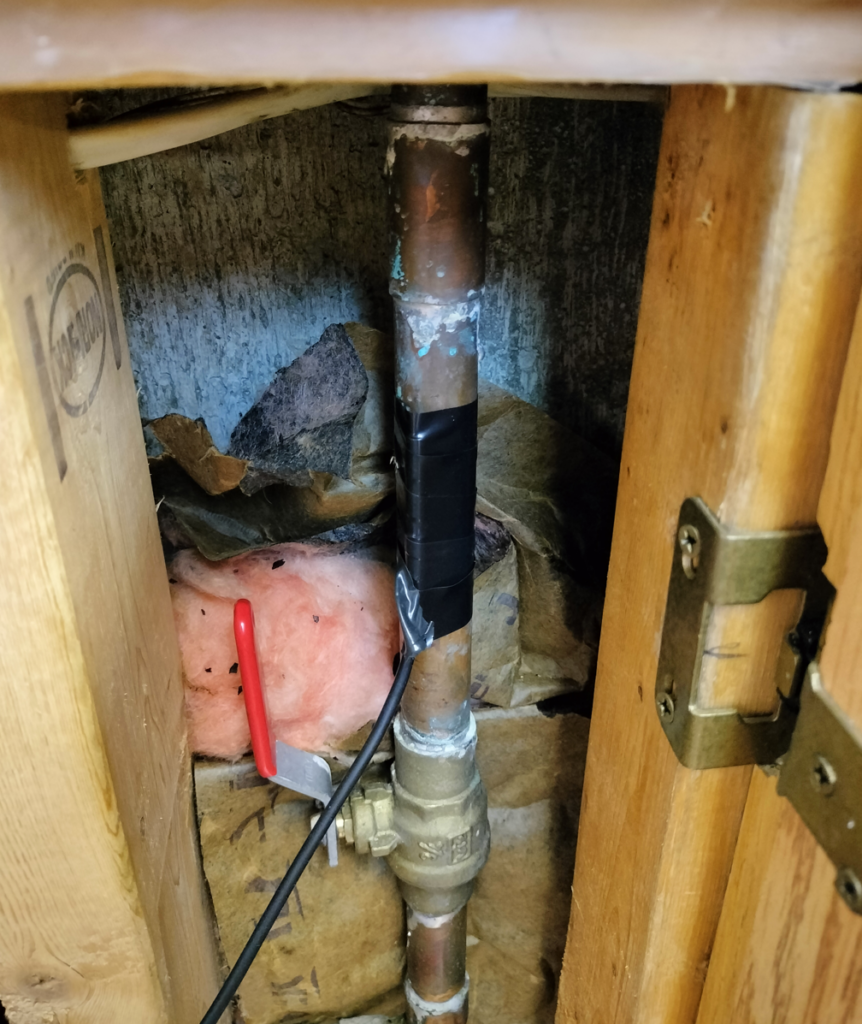
The cause is most likely that I have my heating turn on at this time and this is likely heating up the water in the pipes leading to this rise in temperature and thus leading some credence to my theory that the water is warmer in the morning. Of note the temperature sensor is on the outside of the pipe so potentially I am seeing the warm air heat up the sensor rather than the actual water but I used thermal compound to make good contact with the pipe and it is copper after all so thermal conductivity should be good.
6 months ago I came along the desire to understand what my incoming water temperature is and how it varies over the day. As a part of this I have mounted a temperature sensor to the outside of my incoming mains water pipe and found some interesting results. Now though I understand that I am not measuring the actual internal water temperature being that this is a copper pipe I am getting a fairly close approximation.
A big result of this was my post https://adam-s.ca/data-analytics-and-finding-out-when-you-shower/ in which I investigated my ability to find when I shower based on water temperature. This is a quintessential process engineering/controls engineering problem where my desired measurable is unable to be measure and so I have to measure a separate variable that is “joined” to my required measurable and go based off that. Granted, in a big company you can buy a sensor for anything given you have the money but this is a good example for the process control on a budget.
I had an interesting theory mid year in 2022. The though being that you should be able to theoretically find out when you shower based on measuring the temperature of the water mains line (talk about shower thought).
The theory is simple, if the incoming water temperature is not at the ambient temperature (ambient being not real ambient but rather the temperature between the wall and concrete of the house), then you can tell if there is a change in flow rate by a change in temperature. This is based on the fact that if there is no flow, the water pipe temperature will reach equilibrium with the environmental temperature and any flow from this point will lead to a change in temperature.
I strapped a temperature probe to the outside of my water mains over the last 6 months to better understand this and have found very compelling results. In fact the latest trails today proved out my exact theory.
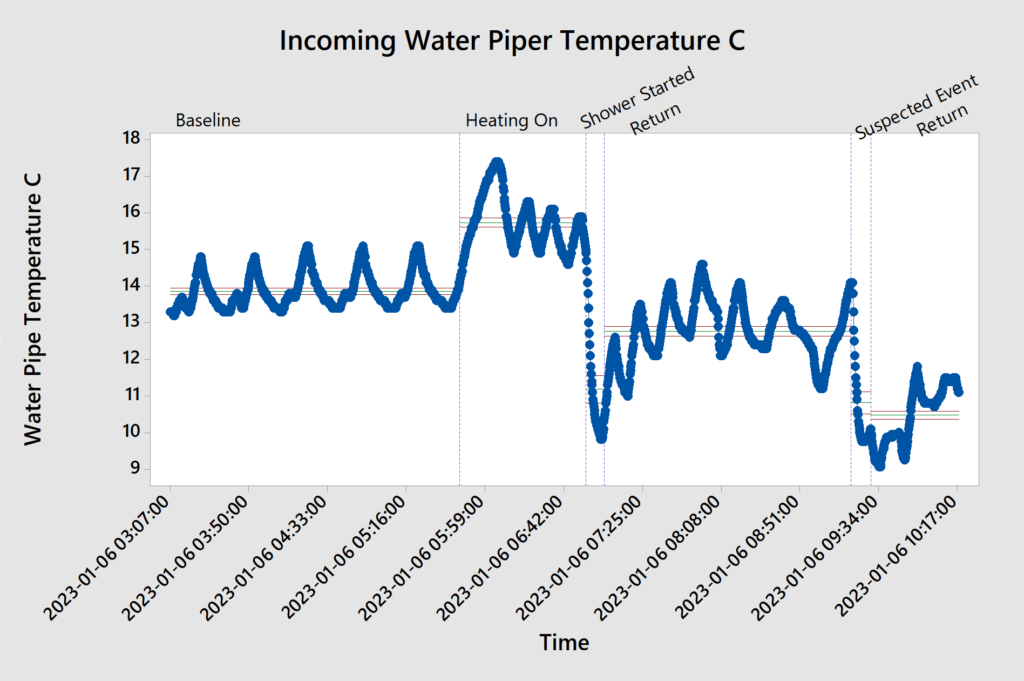
In the chart below you can see a few different stages over the morning. The first is when my heating comes on in the morning to heat up the house when I wake up (temperature set point is set to 21.5C in the morning so I wake up to a warmer house). I then started to shower at about 6:50am which resulted in an almost immediate drop in incoming water temperature leading credence to my theory. Once I finished my shower the water temperature began to stabilize again and I notice another suspected shower event where the water temperature shot down again once again leading to my theory of being able to identify showers based on water temperature.
The big learning lesson from this is that you may not always be able to measure your desired measurable but in any process there are always a lot of intertwined variables. Here we may not be able to measure direct water usage but we can measure changes in water temperature with the assumption that these are coming from large volumetric flow rates.
I found a reasonably priced cut of Bison and decided to give it a try. It was not the best quality and being that it was a round steak it was a bit tough. I decided to sous vide the steak to get the best process window and got pretty acceptable results. I didn’t notice much of a different flavor probably because it was ranch raised and went pretty well with roasted potatoes.
I recently purchased a vacuum filtration setup with a Büchner funnel and a vacuum pump for ~50$ in an effort to speed up some of my kitchen filtrations. I didn’t buy any filters and opted to use coffee filters instead as a cheap alternative. Initially this equipment was a success for most fruit juices (apple and peach) but cactus juice posed a significantly large problem. Due to its viscosity and polymer like nature it took a much longer time to filter but still proved effective.
With a bit of 3D design iterations I was able to convert my manual hand cranked pasta roller into an automatic Kitchen Aid attachment. This was specifically made with Siraya Tech Blu-Tough Resin which is one of the best 3D printing resins for functional parts. I had to take a few measurements but this project ended up working quite well. One of the unforeseen challenges was once completed I was seeing some grinding between the plastics that was making it into the pasta. To solve this I took the easy way out and added some Teflon tape which was actually very effective at reducing wear.
Though modern cooking techniques have provided almost unimaginable amounts of control there is something primal about cooking over a campfire. Though a bit messy with the amount of left over soot it was effective at boiling water and general cooking.
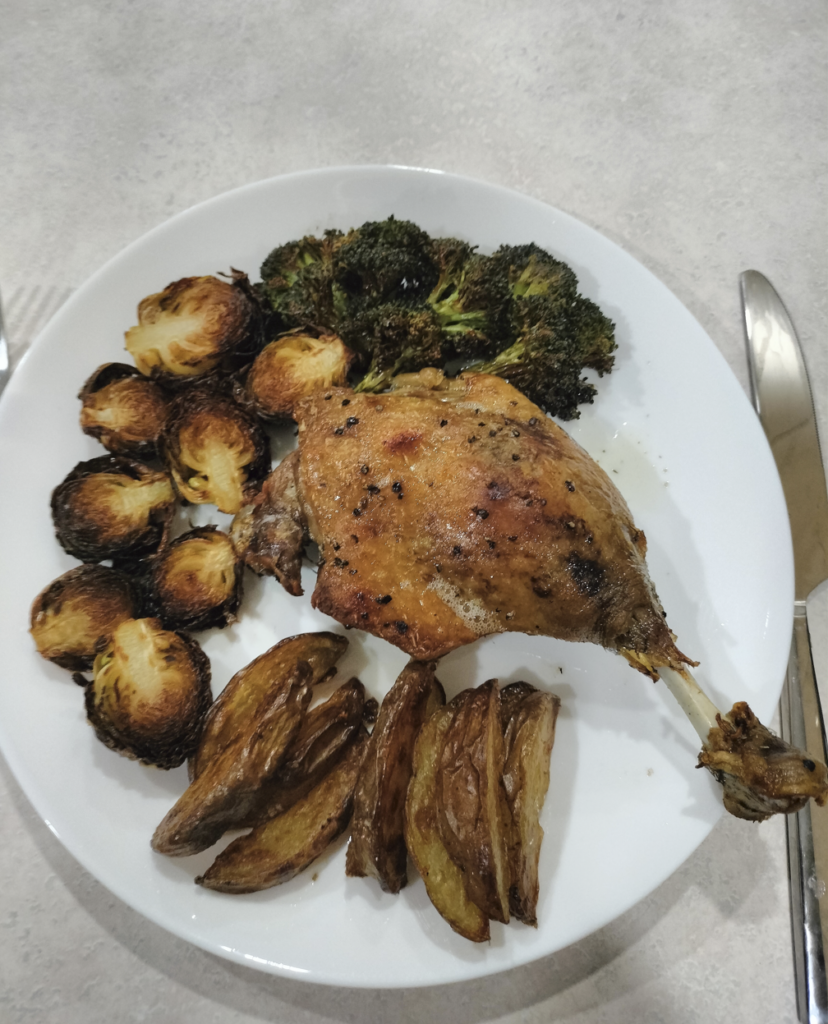
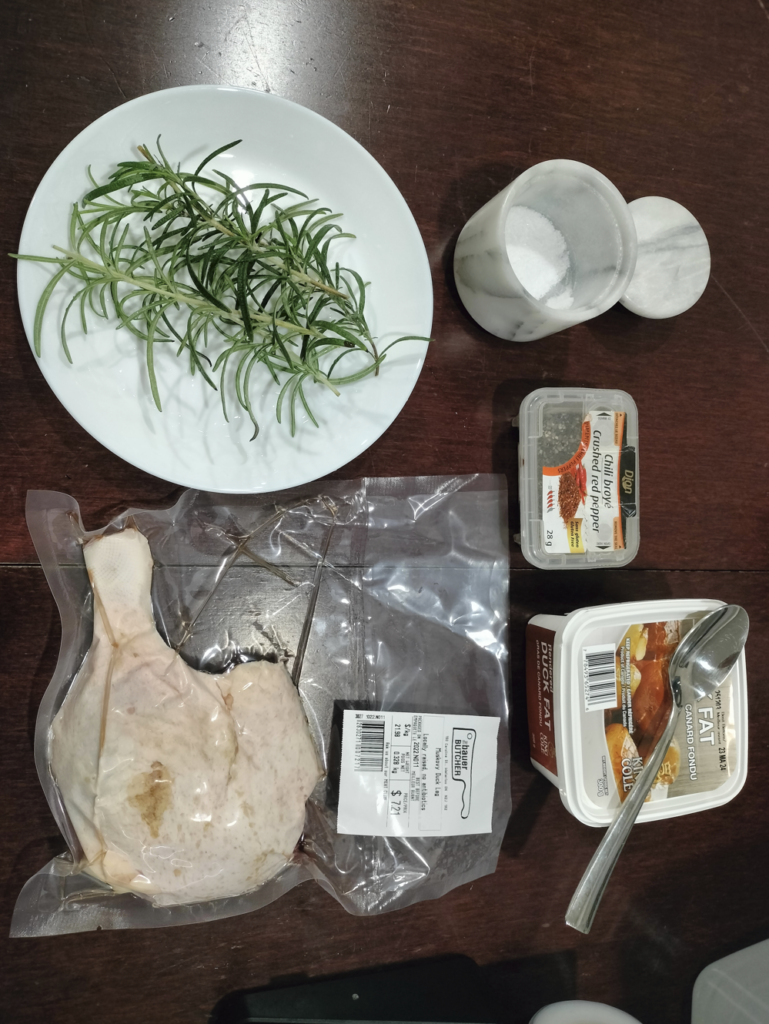
Though traditionally made by slow cooking duck in its own fat to preserve it, the traditional method is a bit cumbersome at home. A simple workaround is using a sous vide and duck fat which allows you to replicate the process in a much controlled and easier way.
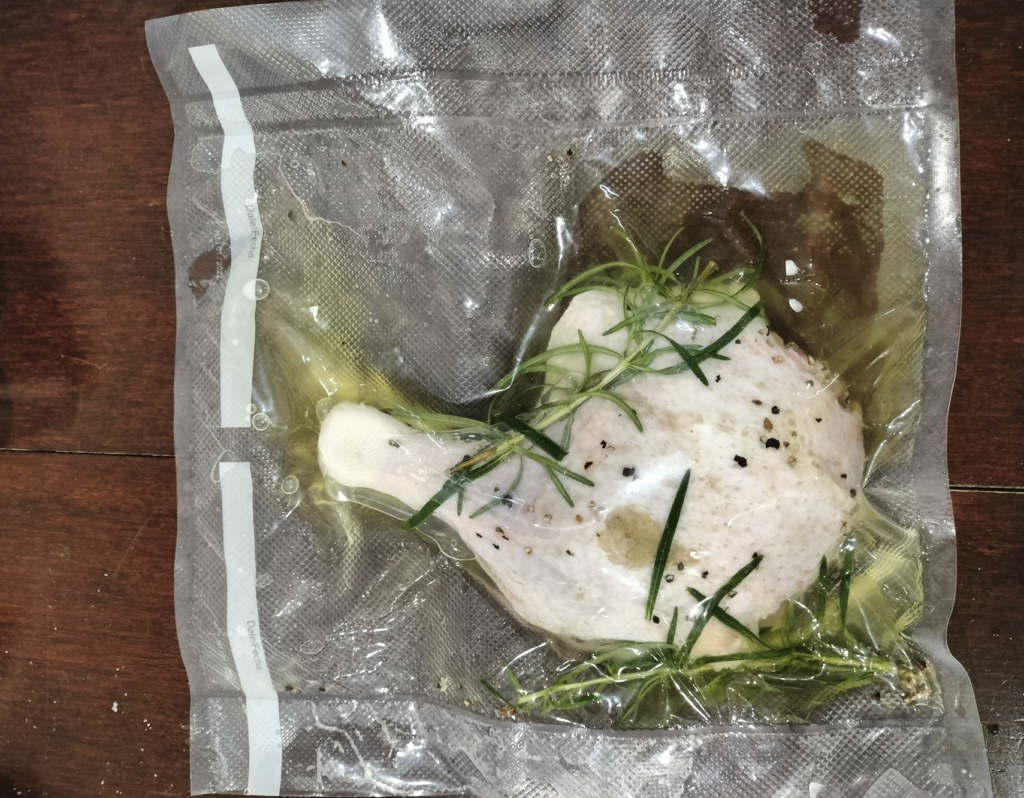
For this recipe I use a duck leg as they handle the process much better and then salt pepper and rosemary. There were all place in a vacume sealed alongs a couple table spoons of duckfat so that the duck leg was completely covered in it s own fat. This was then slow cooked for 12 hours and finished in the oven to get perfectly crispy skin. 10/10 classic dish.
I have been playing around with automatic aquarium feeders for close to 5 years now and have finally had a chance to make my own custom feeder designed specifically for the Fluval flex tank. It has been a fun journey where I was able to practice everything from soldering, 3D design to software development.
To Start
I started off with an off the shelf “dumb” feeder that is battery powered and has a automatic feeding function every 12 or 24 hours. This won’t do for me as I like fine grained control and batteries have a habit of failing at the worse time.
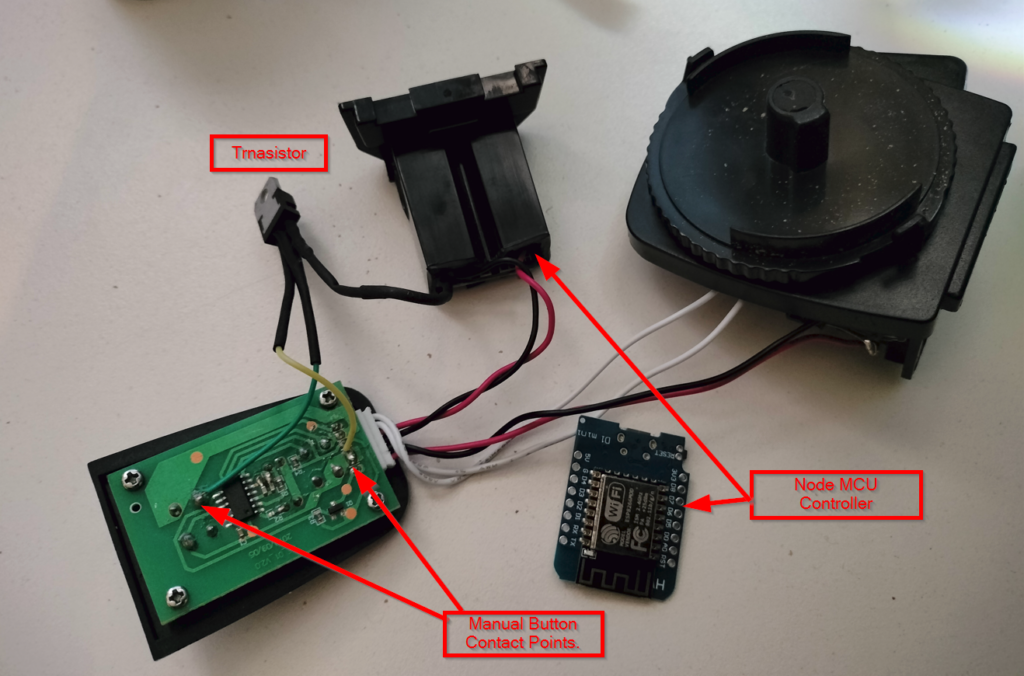
To solve this I used one of my 5$ NodeMCU controllers so I can 1) have this powered over USB, 2) set custom feeding programs and 3) to be able to control this over the internet.
For the power I simply soldered the 3V power from the NodeMCU into the automatic feeder and it worked without a problem as there was already a power conversion circuit on the feeder. As for the button that was a bit more fun.
Using a multi meter (in diode mode) I reviewed the switch contact pins that would cause the feeder to start a feeding cycle. I then soldered a transistor across these pins so that when I turn the transistor on I can simulate the physical button being pressed and start my own feed cycle. This way I still have all of the original functions of the feeder (most importantly position sensing so it returns to the correct position) but I now have full control over its use.
The last part of this was writing code for the NodeMCU controller which was a bit complex as I decided to implement the option to do multiple feed cycles and track last fed time so I can setup alerts for any feeding errors. For the multiple feed cycles I created an API for the controller that can take any number of feed cycles based on URL get parameters. For example in the URL below I have feed_cycles=1 so it would do 1 cycle but I can equivalently set this to 2 or 10. Additionally I set a hard coded password in the API so it is not accidentally accessed. This is all on an internal network that has no open access to the outside world so should not be a problem.
Now that the brains and function were all setup I set on figuring out how to actually mount it. As I have the Fluval flex aquarium that come with a lid there aren’t any standard automatic feeders that would fit so I knew I had to make my own 3D design.
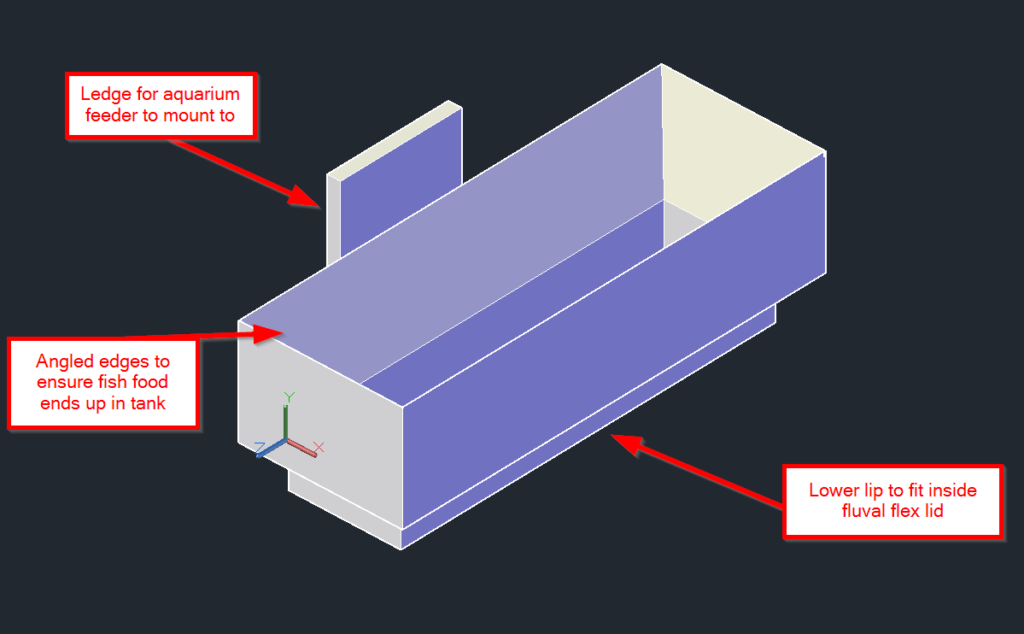
I am definitely not an expert in 3D CAD design but as a certified “Jack of all trades” I know enough to get me by. I went through 5 revisions to get all of the sizing correct and in the end had a functional product. The 3 main features are a lower lip that is sized to fit in my tank’s lid, a ledge for the aquarium feeder to mount to and angled edges to ensure fish food ends in the tank.
I printed all of these on my faithful Elegoo Mars and within 3 hours had a functional product.
Summary
In summary this was a fun multi disciplinary project that allowed me to make something that doesn’t exist on the market.
Reasons why my feeder is better:
USB Powerered
Wifi Enabled
Custom Feeding Schedules
Alert Emails On Missed Feeding Schedules
Control Over How Many Feed Cycles per Feeding
Fits On The Fluval Flex
Mess Free (the flakes in the picture are there because I spilled some during the mounting process)
Home Made With Love
Additional notes: part of the reason why I went through all of this effort was due to wanting a tank with a lid on it. Living in the KW region I have very hard water and an opened tank looses to much water to evaporation leading to unseemly calcium buildup. A lidded tank reduces evaporation and enables a generally more easier life. Additionally next steps include weighing an average feeding cycle to understand the distribution and then start feeding my fish based on their weight.
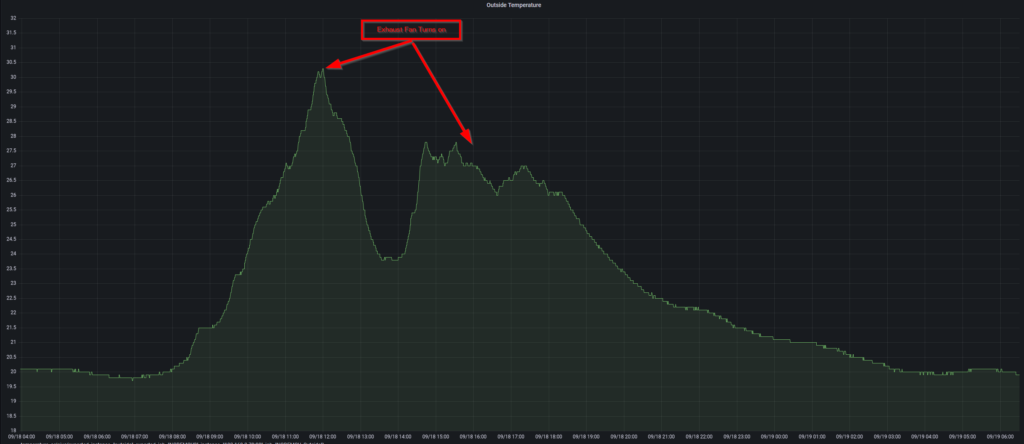
I have a sunroom attached to my house which is a fantastic place in the summer except it can get exceedingly hot at peak hours with temperatures reaching up to 36°C. To combat this I installed a 300 CFM exhaust fan in the roof and added a programmable timer to turn it on at peak hours.
The installation was fairly easy though I did have to manually switch the polarity on the fan to reverse the flow. I mounted it at the ceiling so it pulls the hottest air out.
Looking at the temperature throughout the day you can clearly see where the fan turns on and drops the temperature an astonishing 6°C.
Sunroom temperature throughout the dayMounted exhaust fan
This has been a pretty fun project and is a recommended solution to managing heat in sunrooms. Next steps will be setting up a controller for this to dynamically have it turn on when temperatures are too high rather than just at static times.